A stool, a dovetail-jointed worktable, and two weeks at 木忘初心 woodworking studio, Shanghai.
A long-standing curiosity
I have always been fascinated by 榫卯结构 (mortise-and-tenon joinery), the way pieces of wood are shaped to fit and hold together. Wood has appeared in a number of my past projects, and I have wanted to understand the material and its construction more deeply.
That curiosity led me to 木忘初心, a woodworking studio in Shanghai. I wanted to explore traditional East Asian hand-tool woodworking, working mainly with Japanese chisels and saws. It was a chance to spend time on a craft I had admired for years and to learn through making with my own hands.
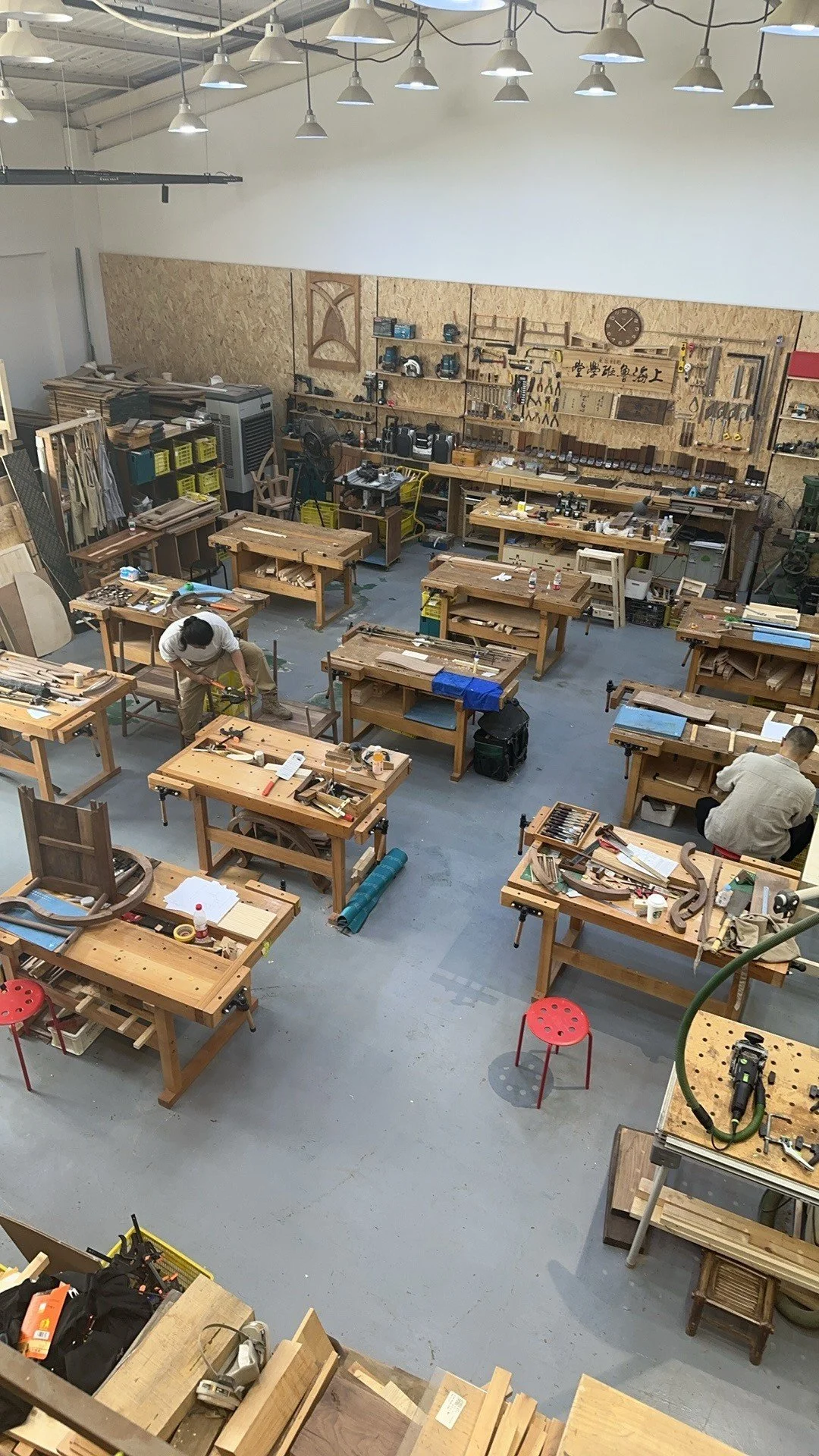
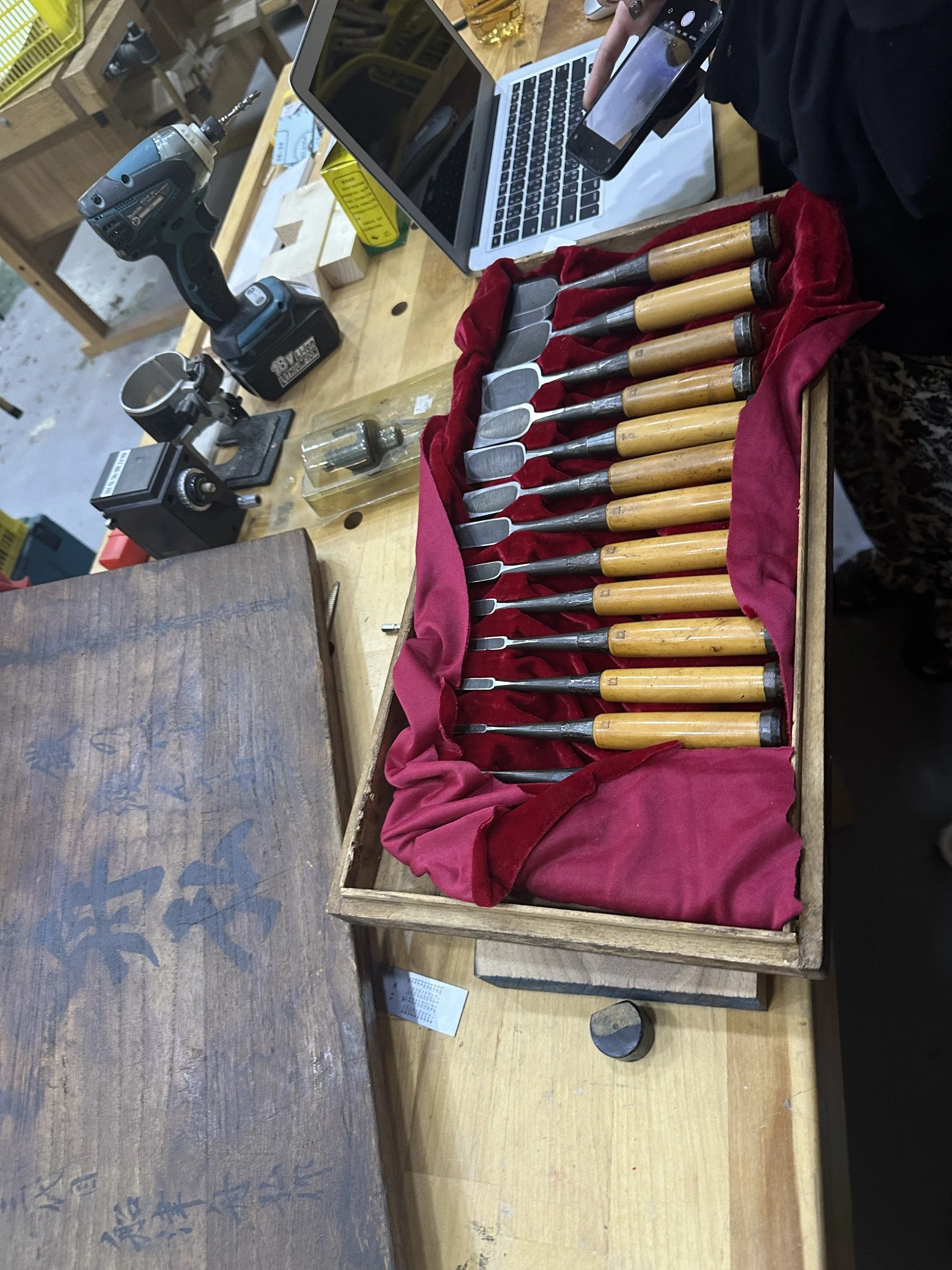
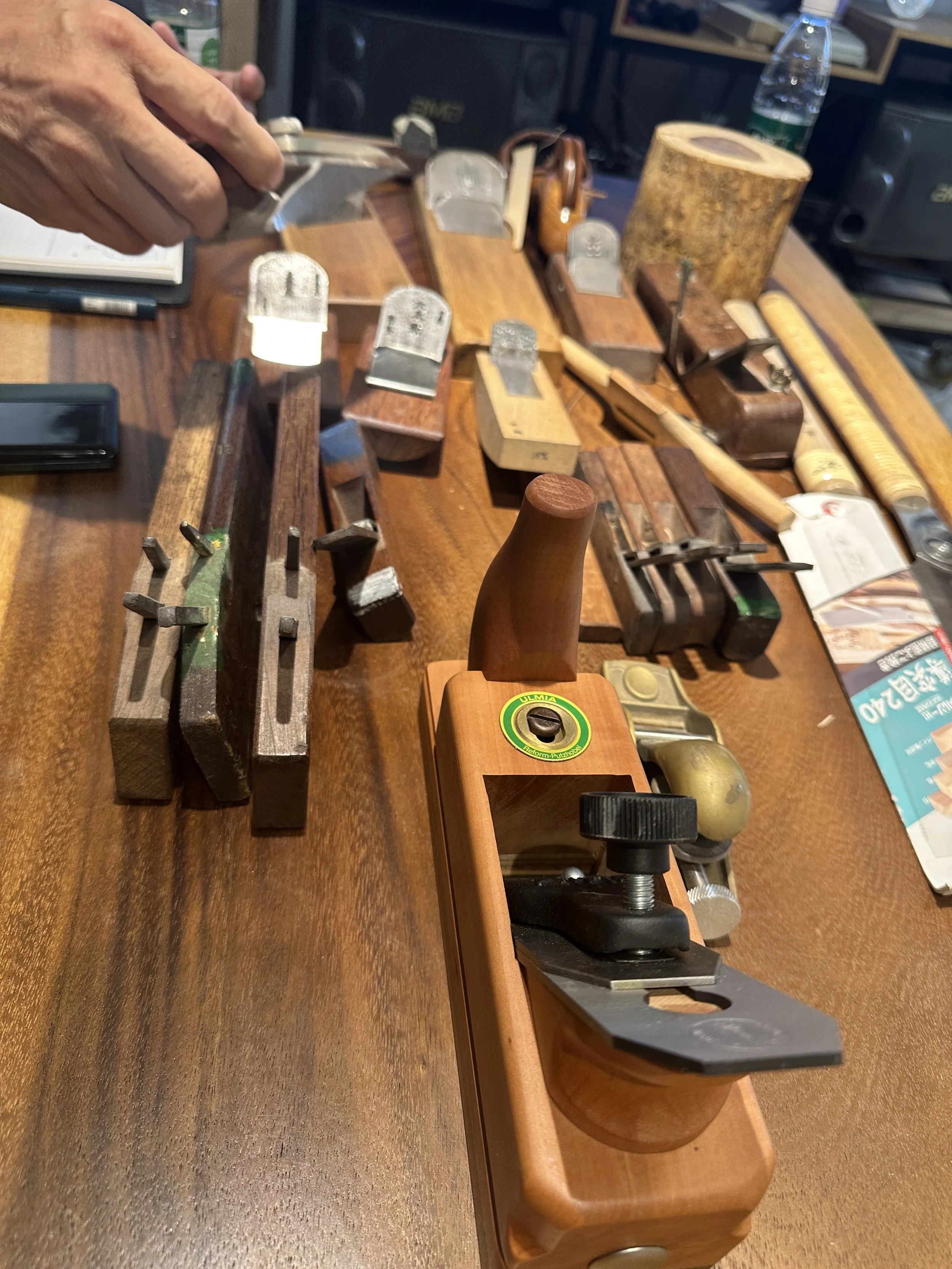
Studying joints and structure
I approached the study through two pieces, starting with a simple wooden stool. Making a small, complete object gave me a way to study how joints connect the parts and how those connections support the structure.
I then moved on to a worktable built using 燕尾榫 (dovetail joints). This gave me a more involved piece to work through, bringing the study of individual joints into the construction of a larger object.
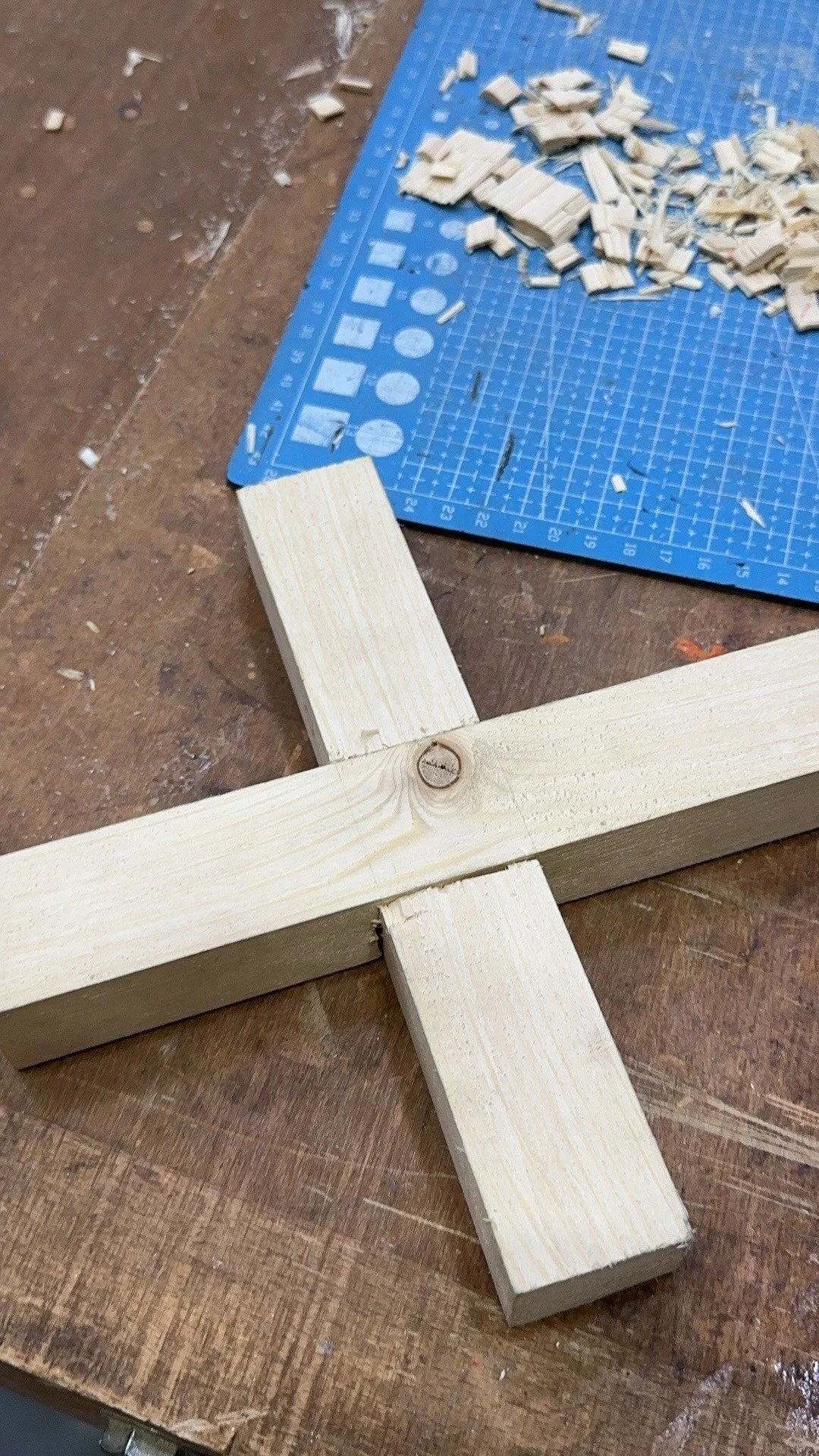
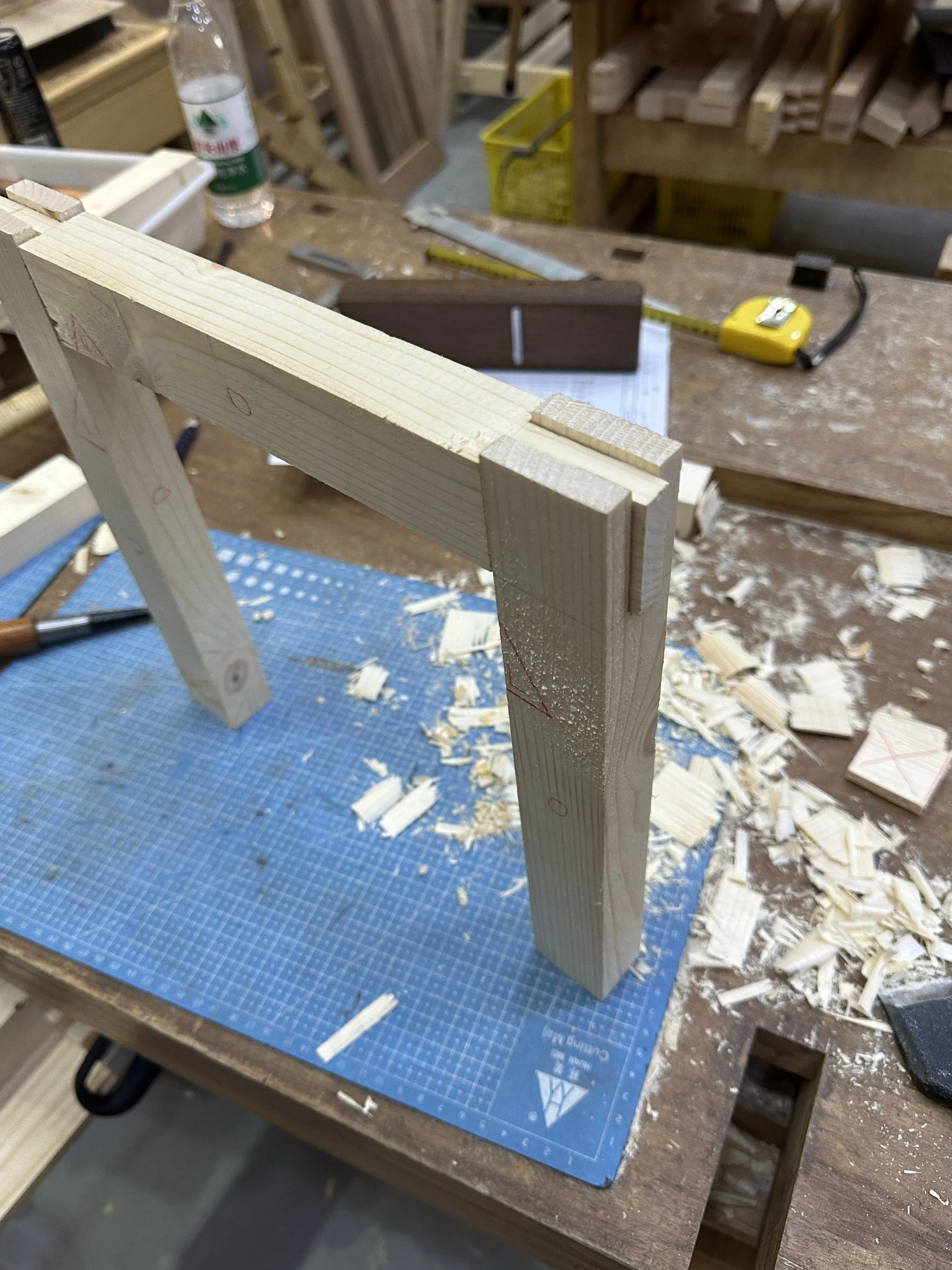
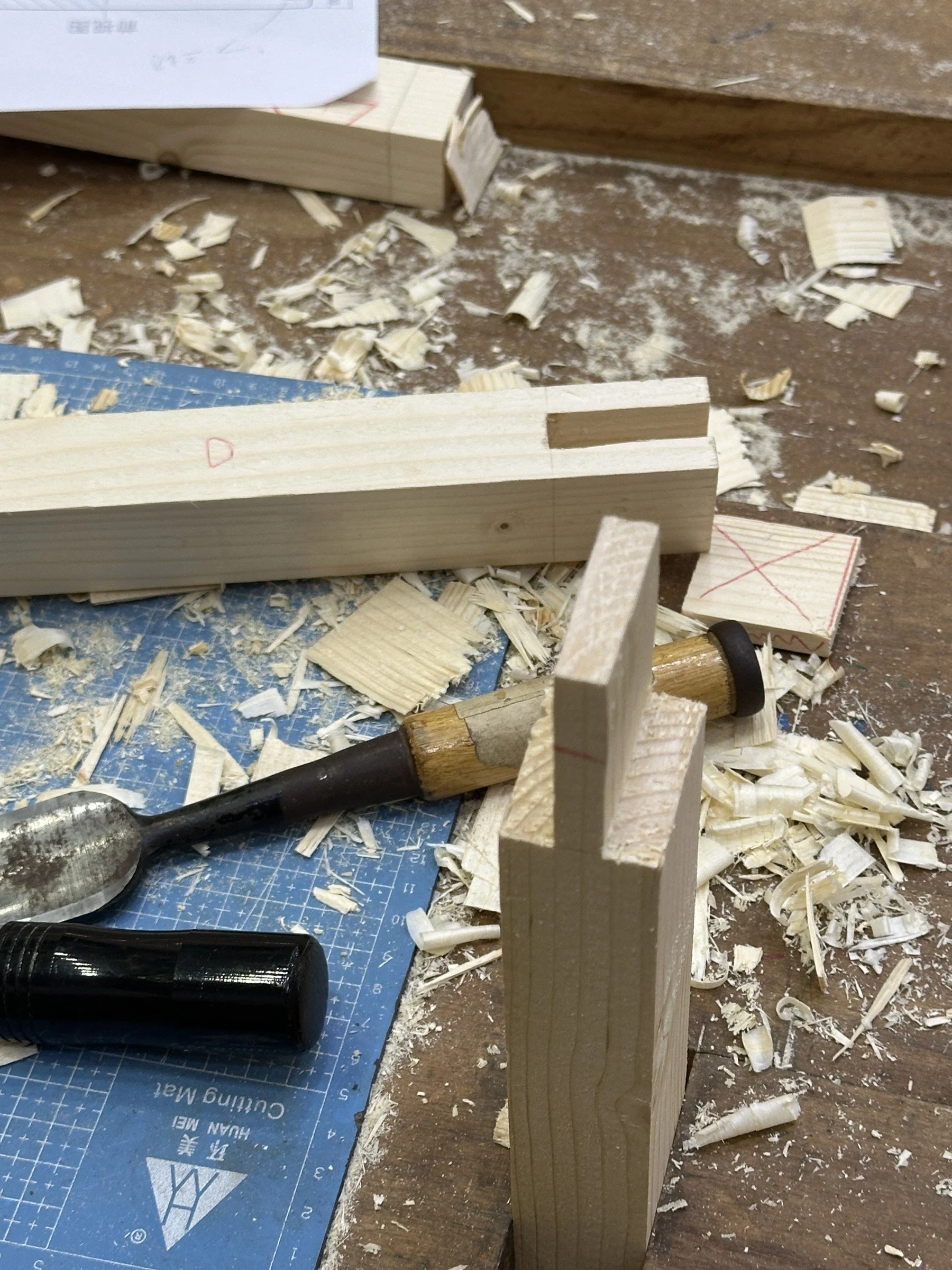
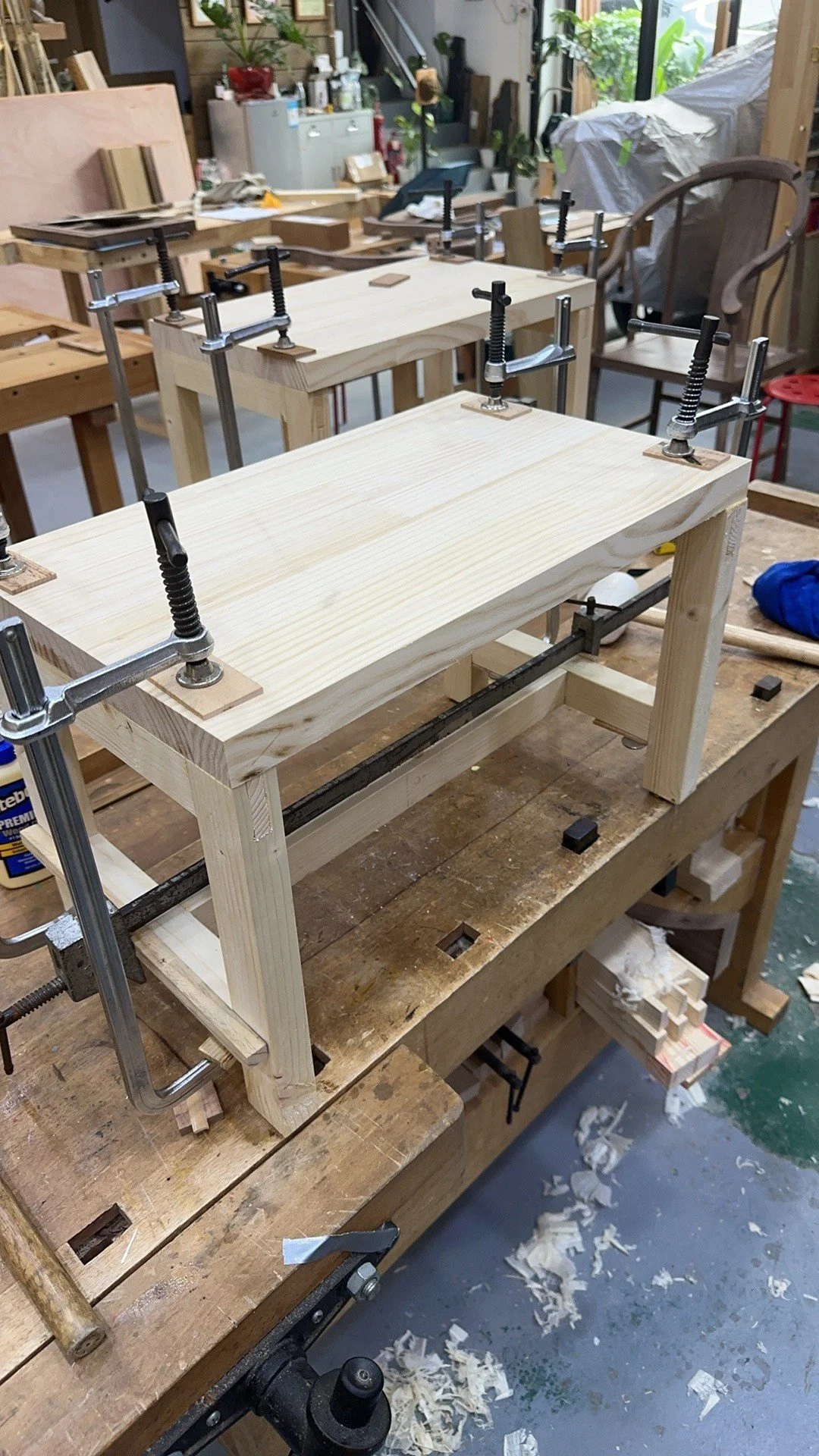
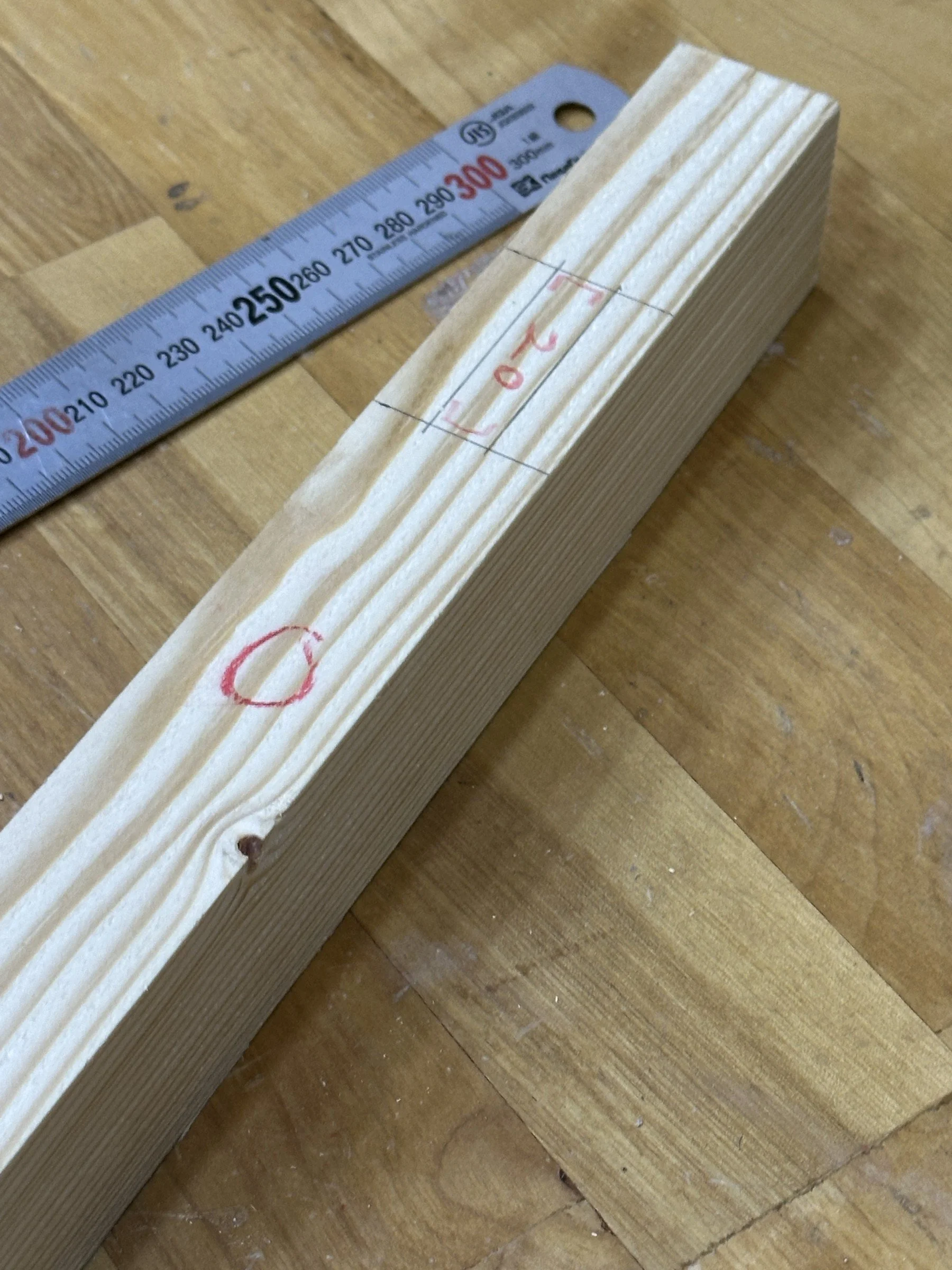
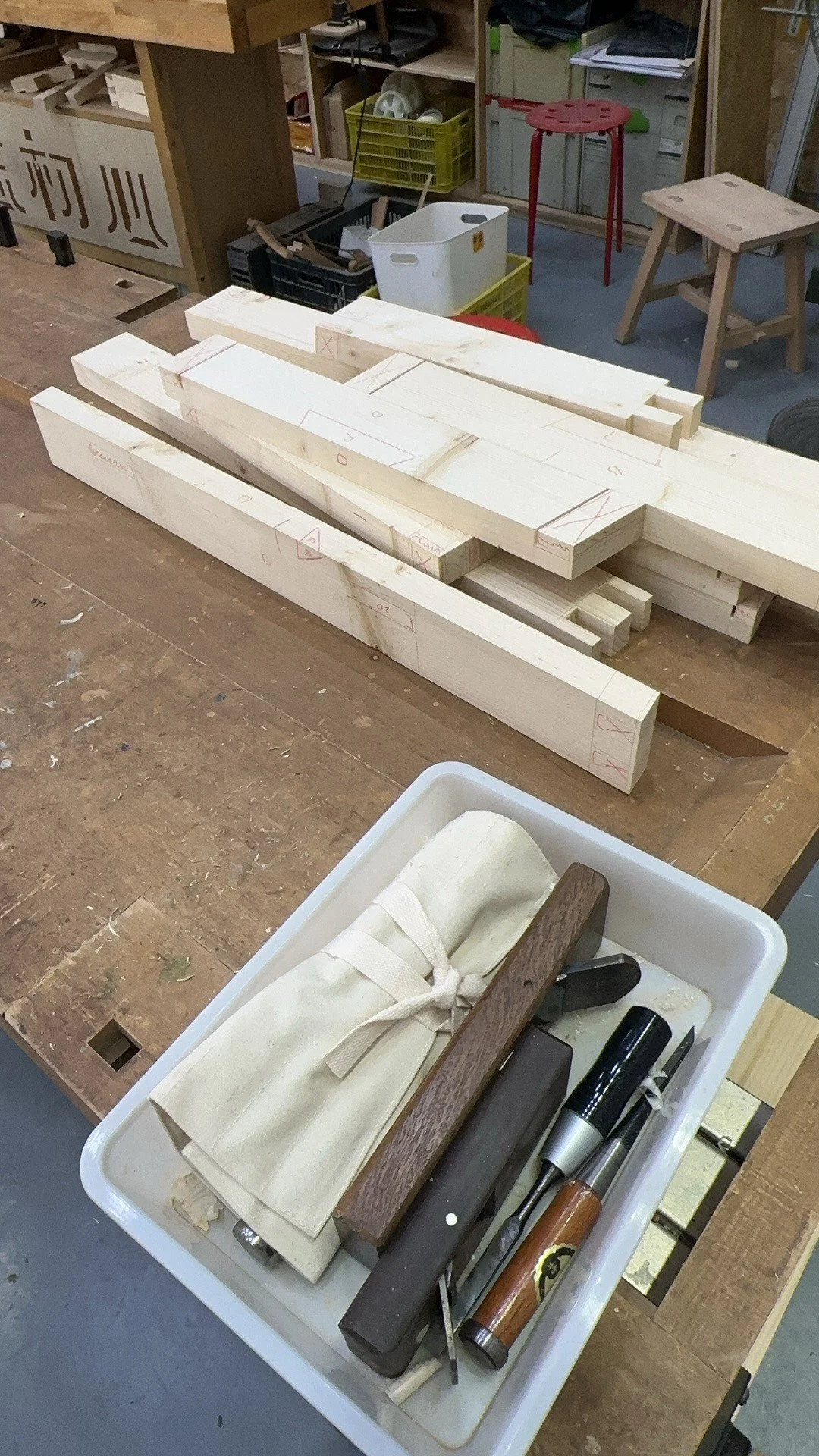
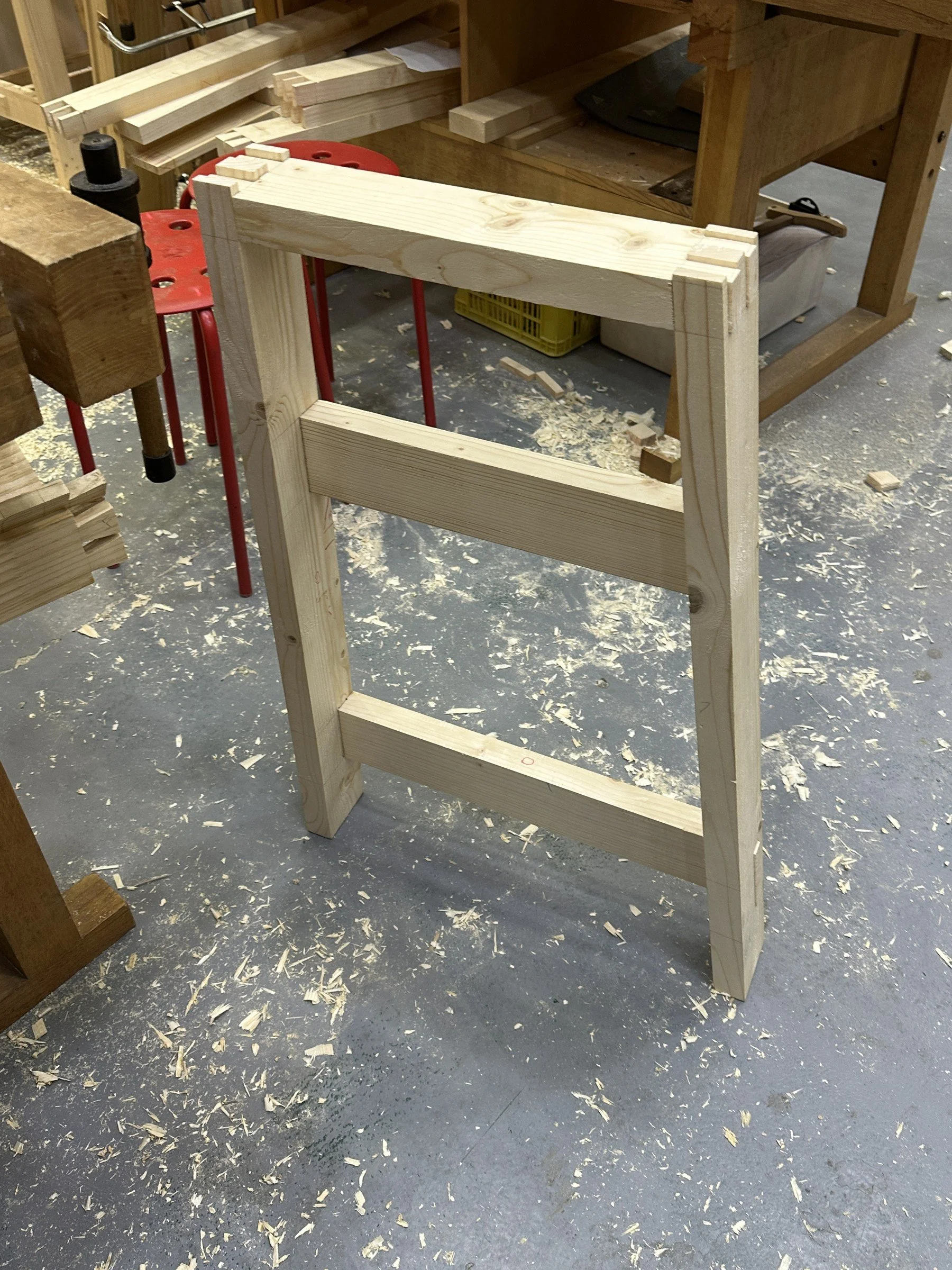
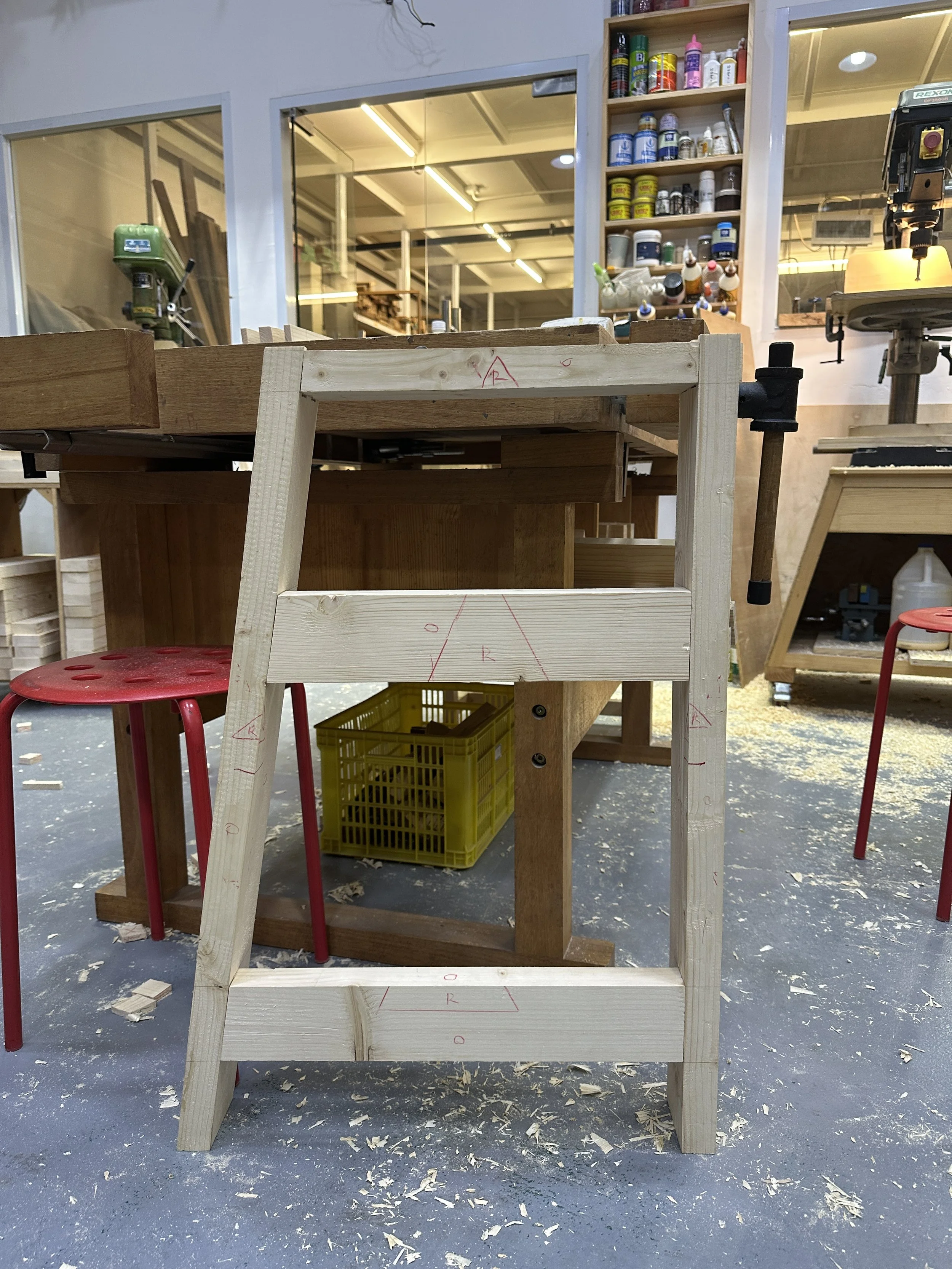
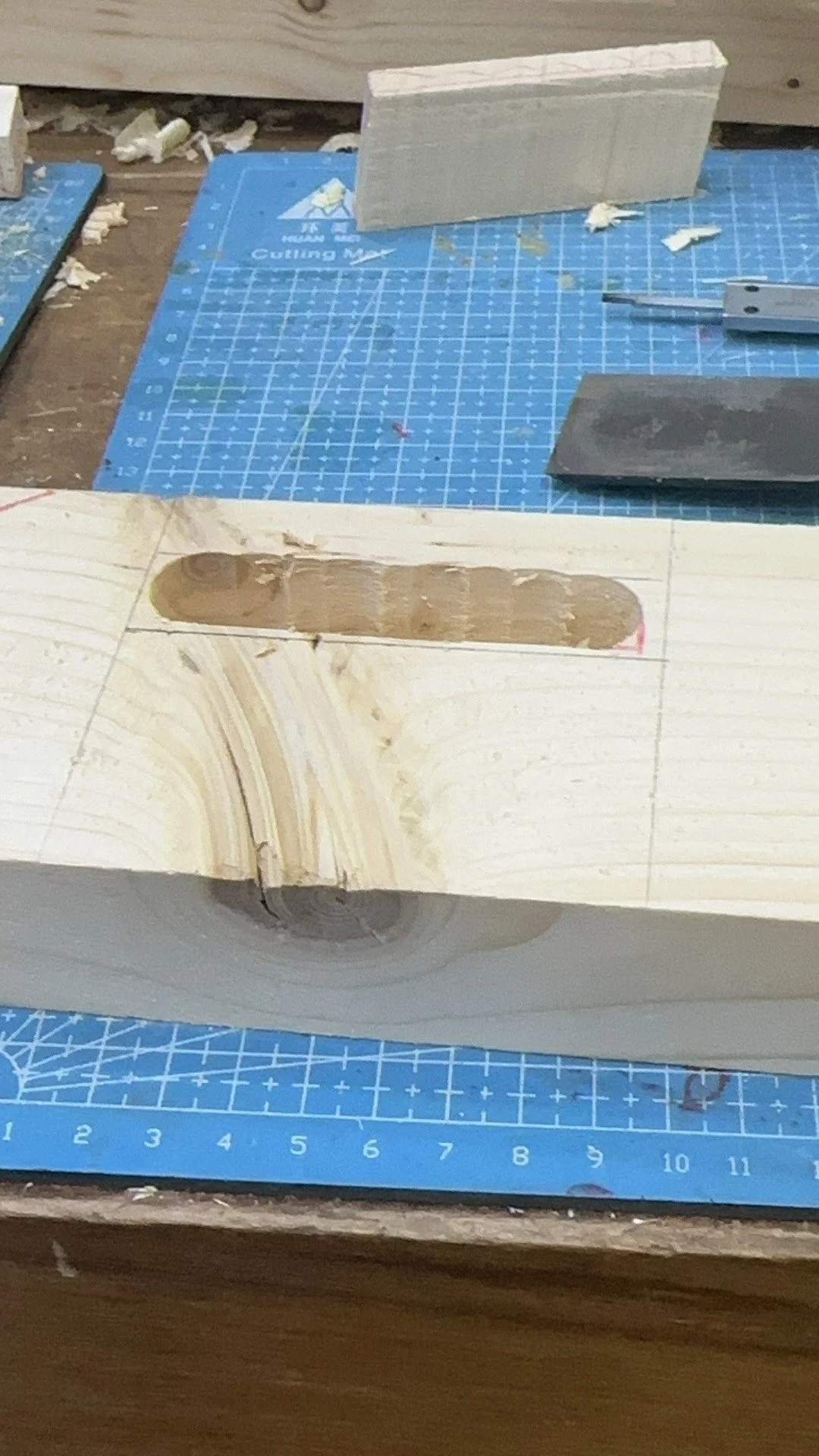
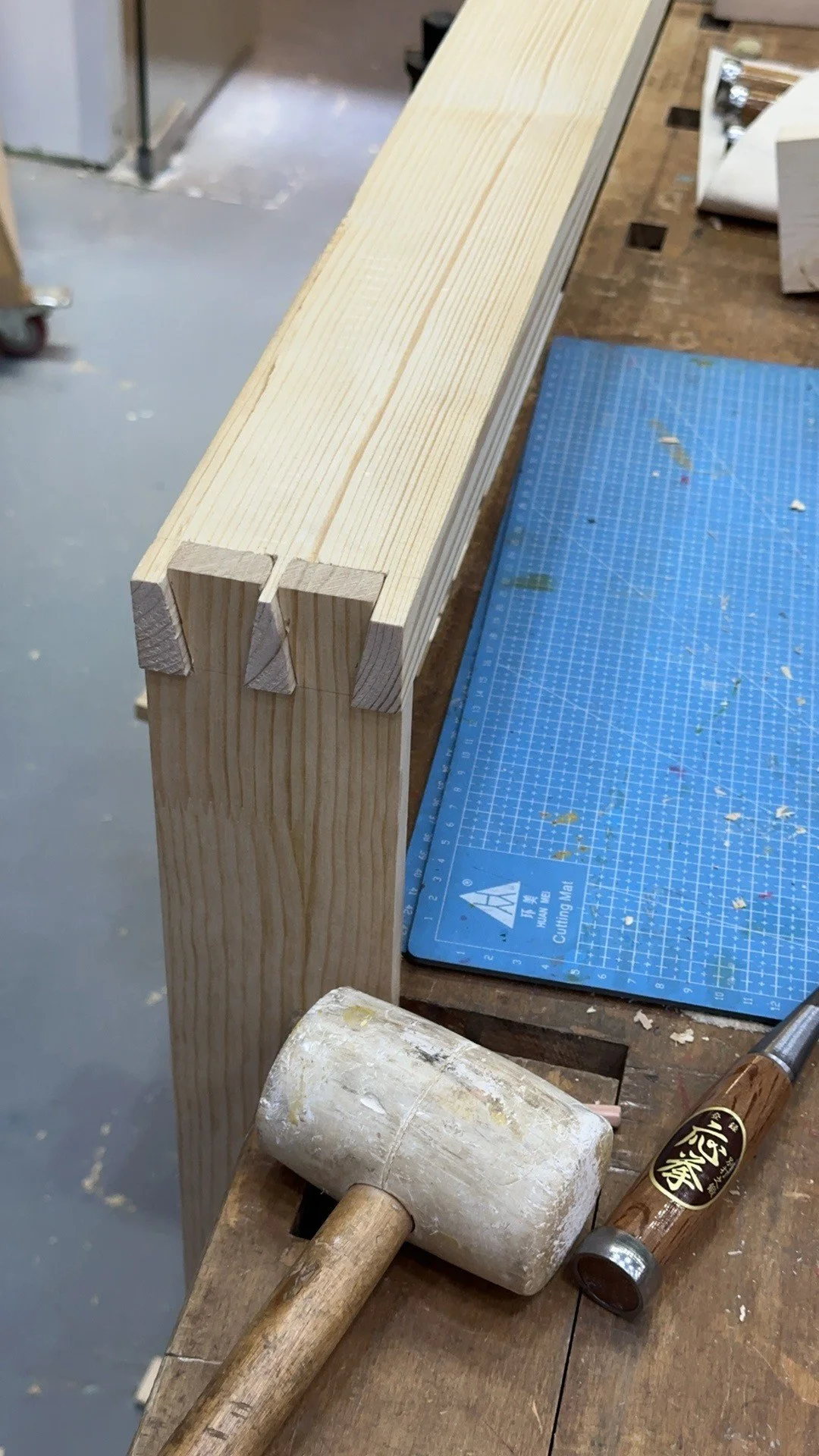
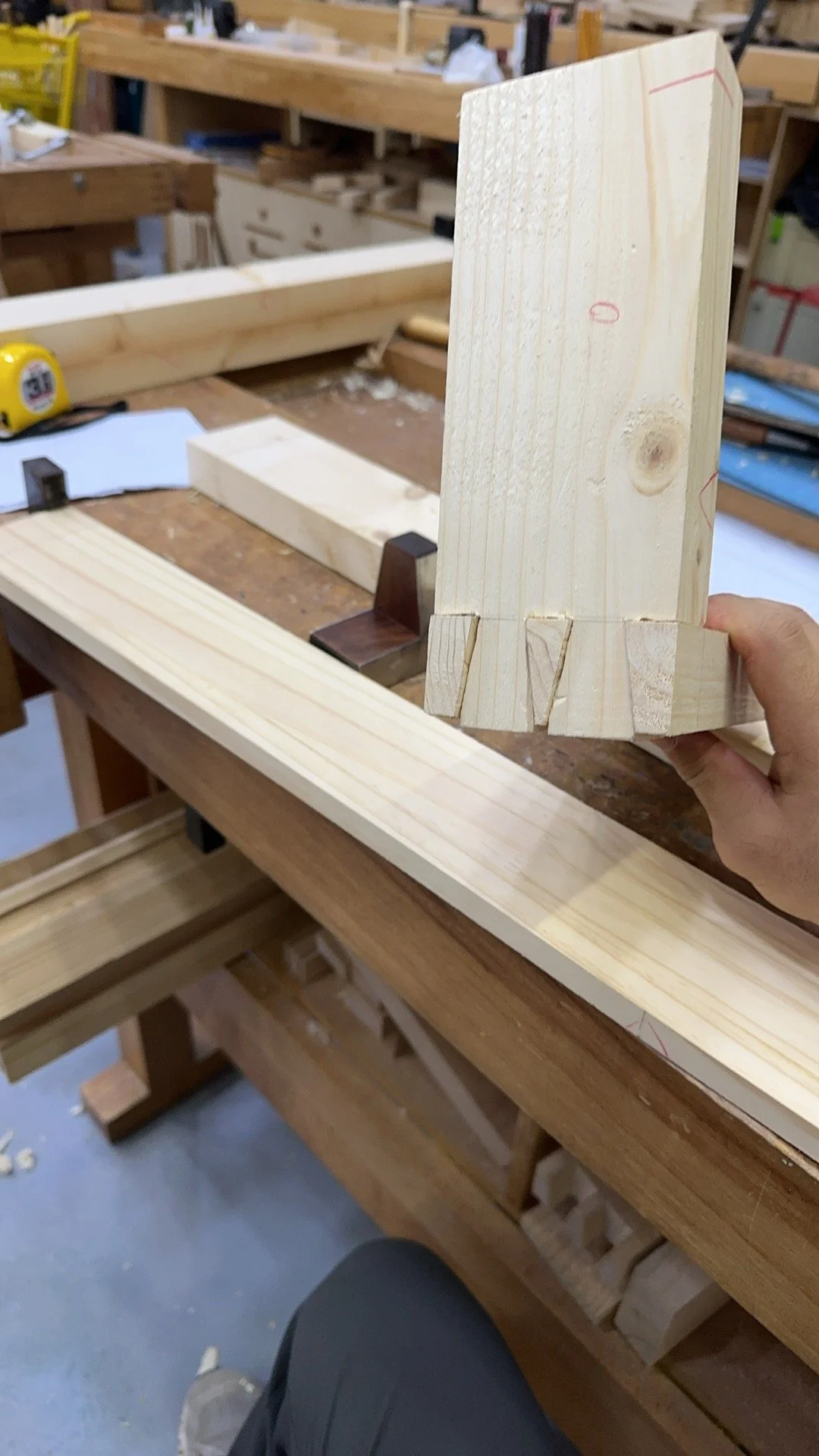
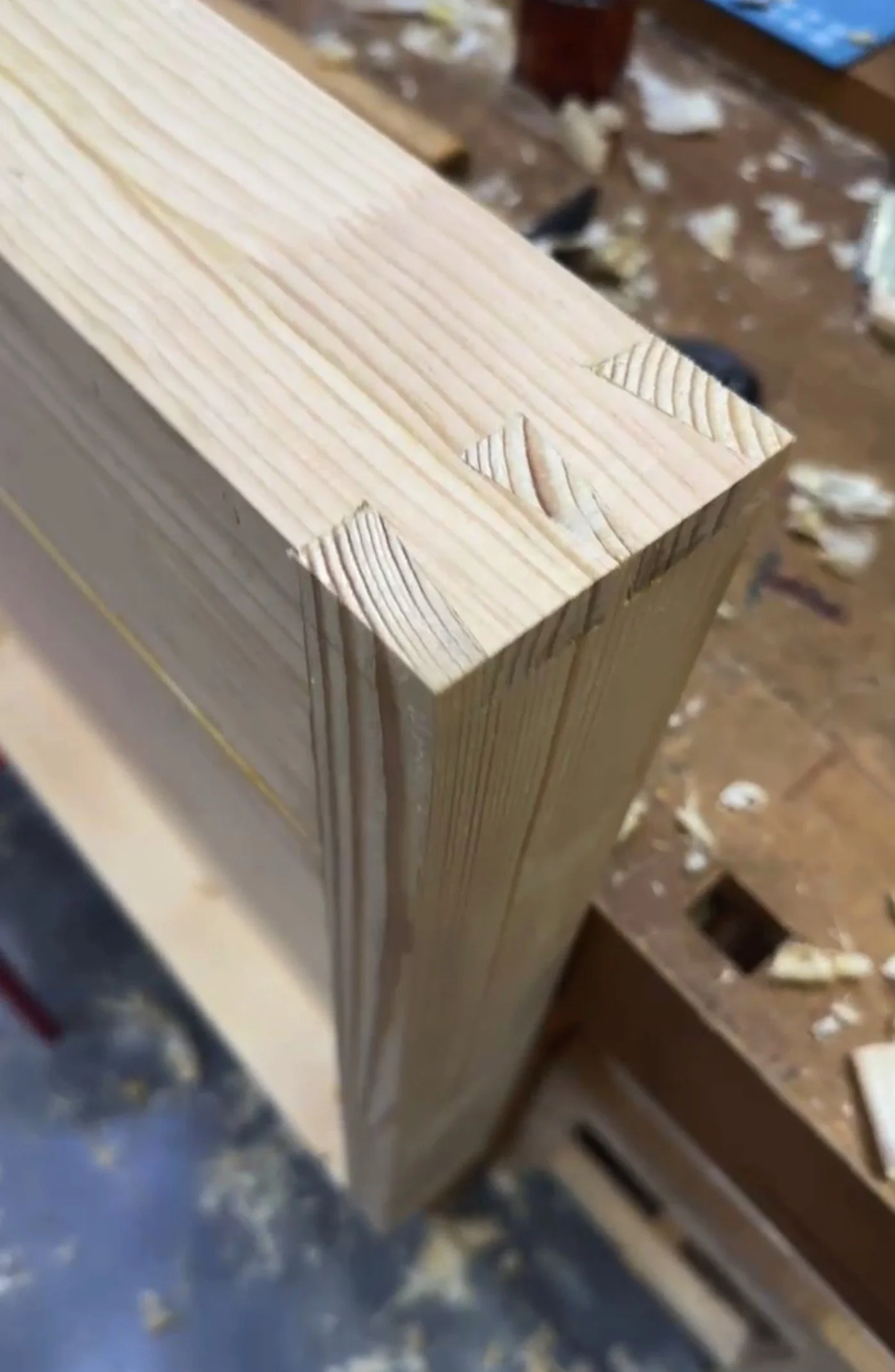
Across both pieces, the process centred on marking, sawing, chiselling and fitting. I wanted to become familiar with how the tools cut and shape wood by hand, and to understand the joint through making it.
The outcome
I spent two weeks at 木忘初心, working in the studio for roughly eight hours a day. It was tiring and physically challenging, but I found the time spent immersed in making joints meditative.
There was a particular satisfaction in staying with that work, the cutting, shaping and gradually becoming more familiar with the tools. The attention it required was part of what I had wanted to experience when I first became interested in hand-made woodworking.
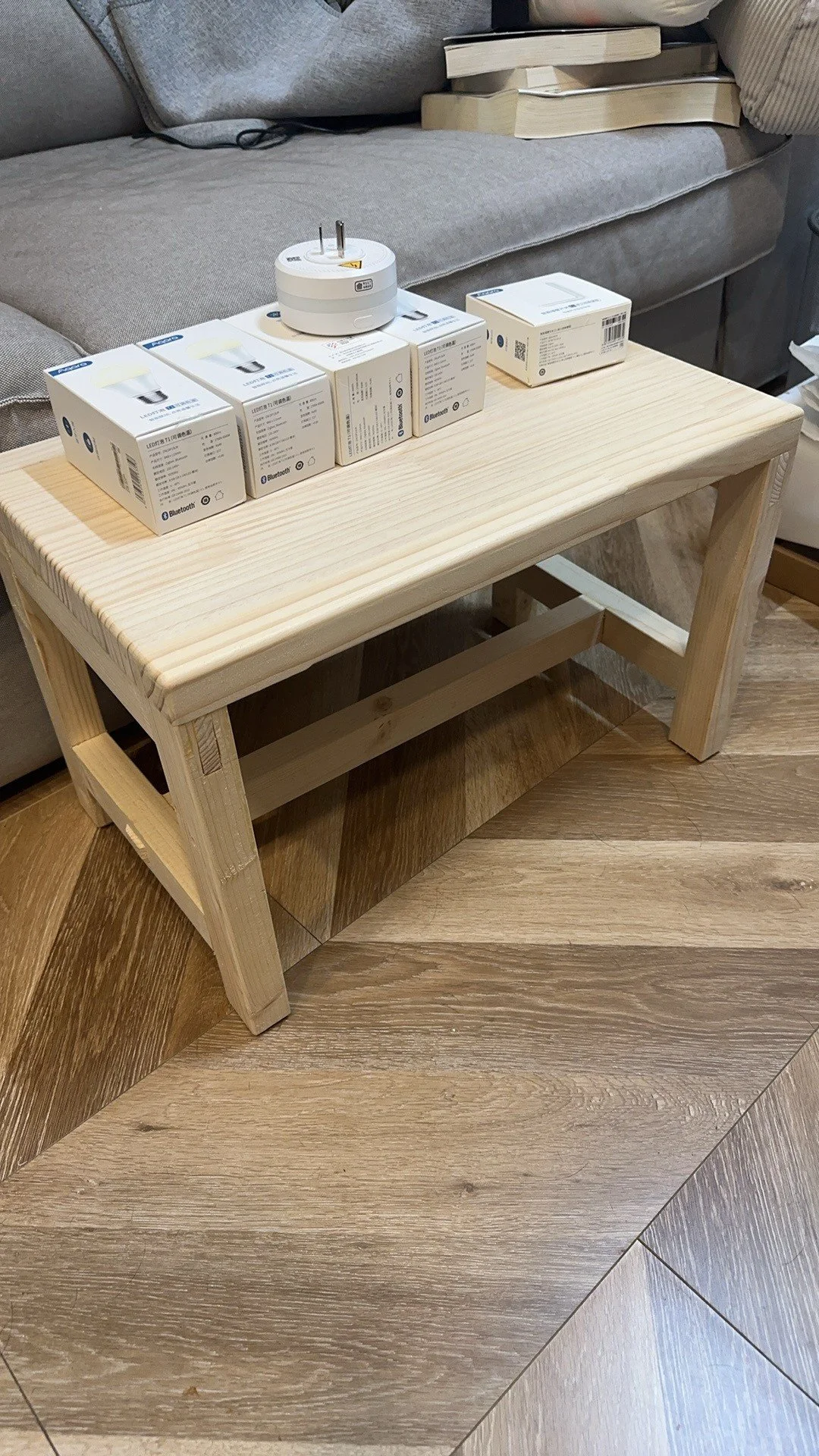
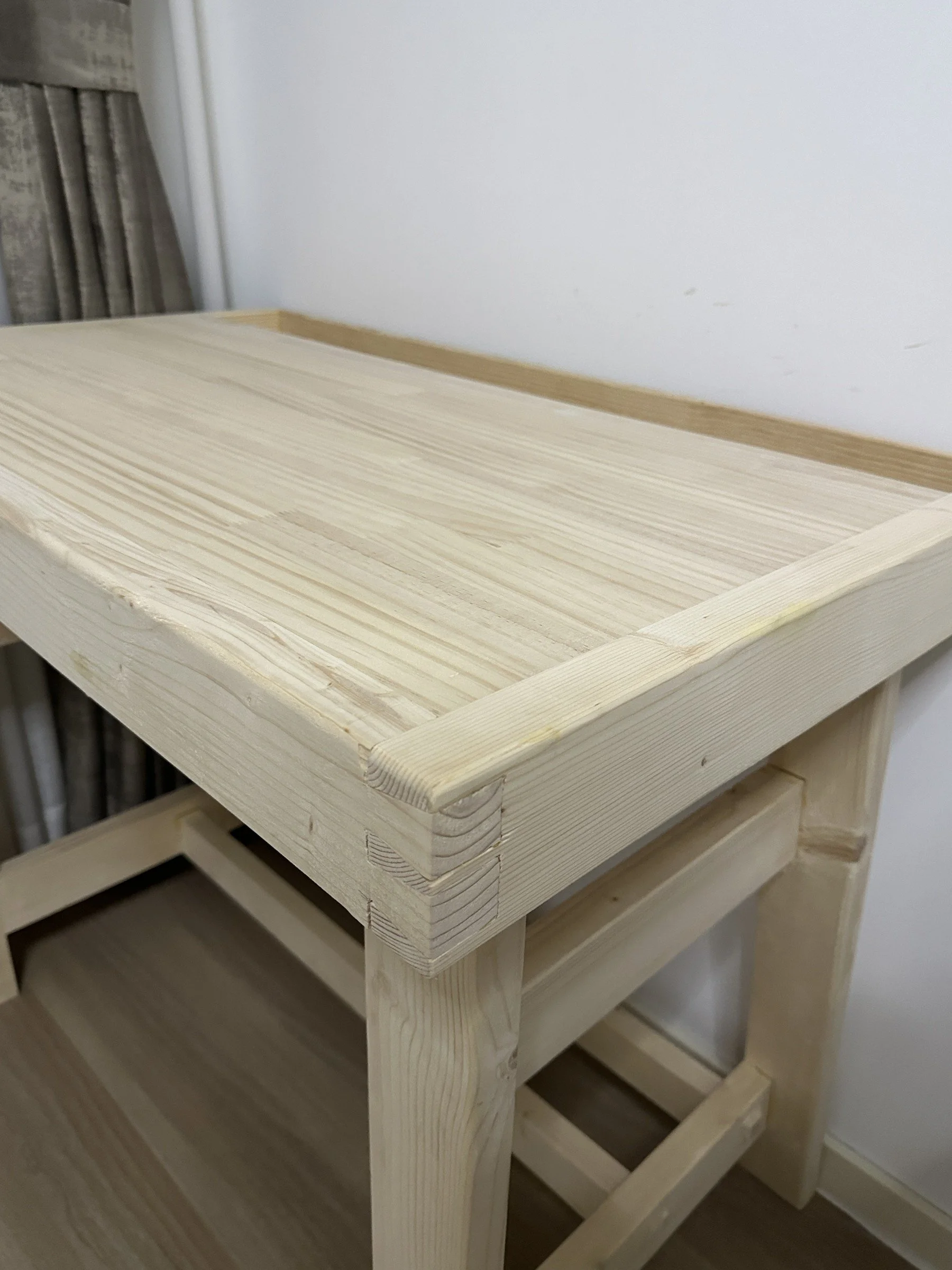
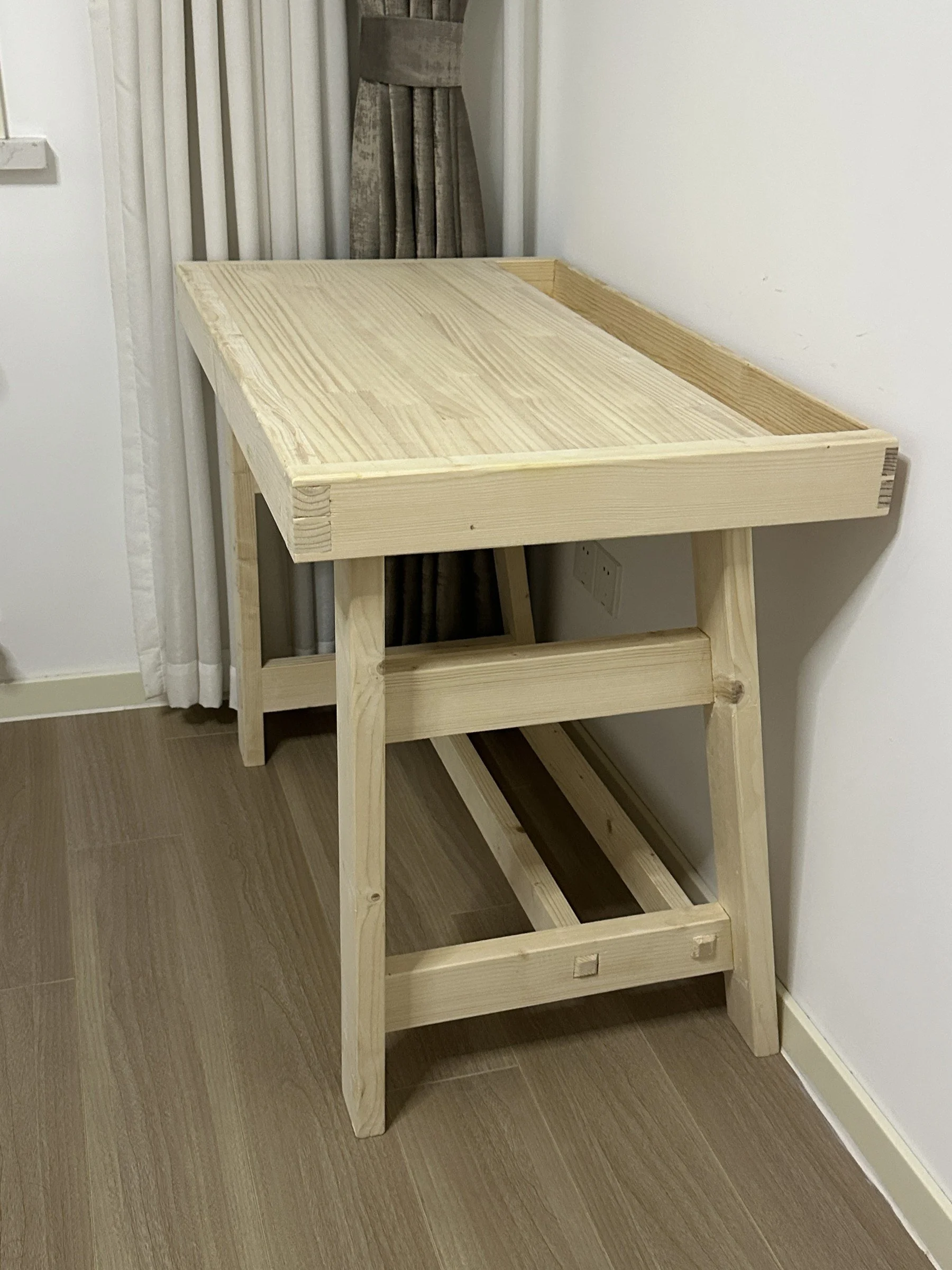
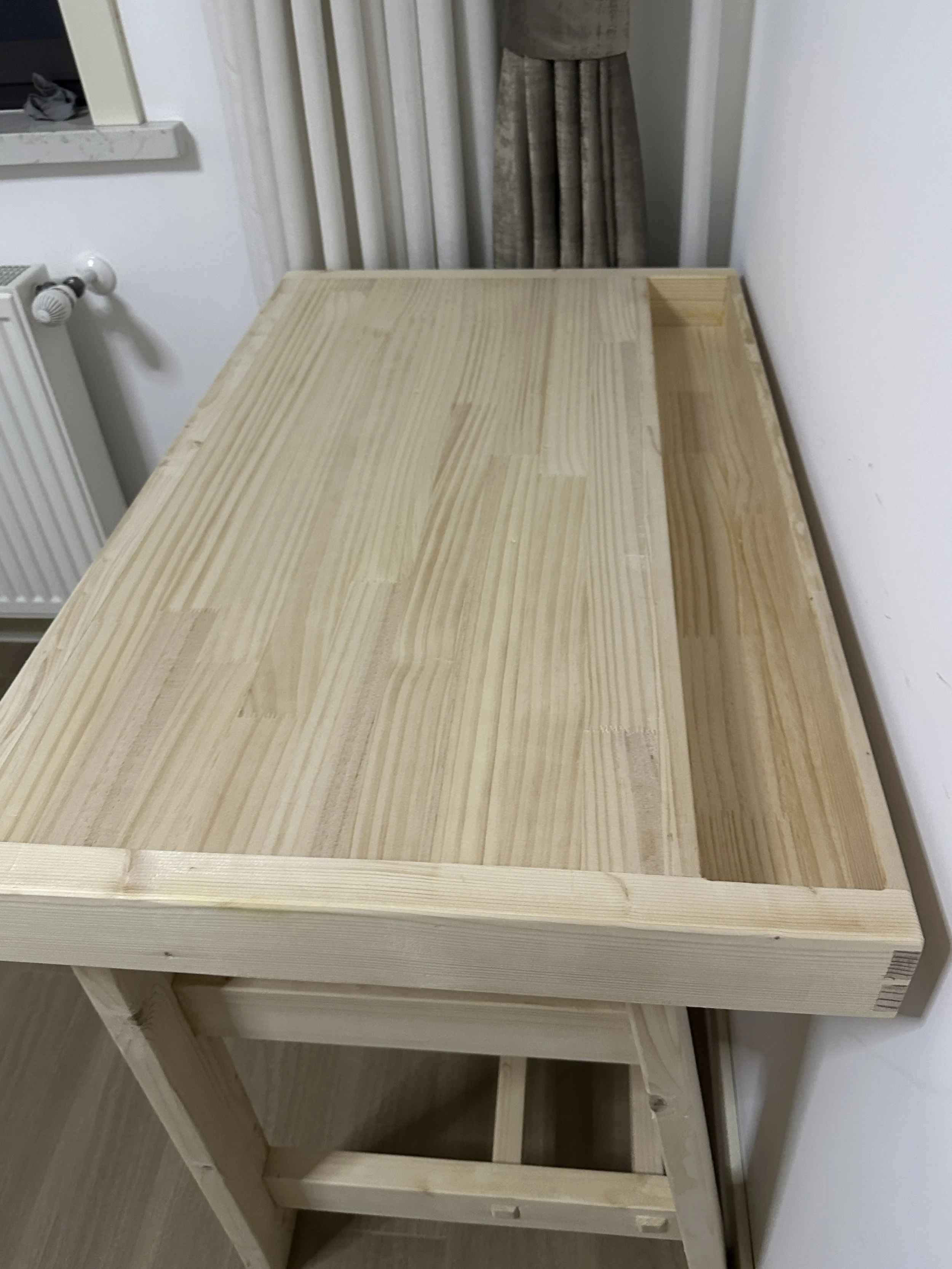
I was satisfied with the final stool and worktable. They were useful things I had made, and they also marked a beginning in a craft I had long wanted to try.
